
Blog
JoJo’s Bizarre Adventure Influence on Pop Culture

Jan
Since its debut in 1987, JoJo’s Bizarre Adventure (JJBA) has grown far beyond a long-running manga and anime series. Created by Hirohiko Araki, JoJo has become a global pop culture phenomenon, influencing fashion, music, memes, art, and even the way modern anime tells stories. Its bold creativity and refusal to follow conventional rules have made it one of the most recognizable franchises in Japanese entertainment history.
A Visual Style That Redefined Anime Aesthetics
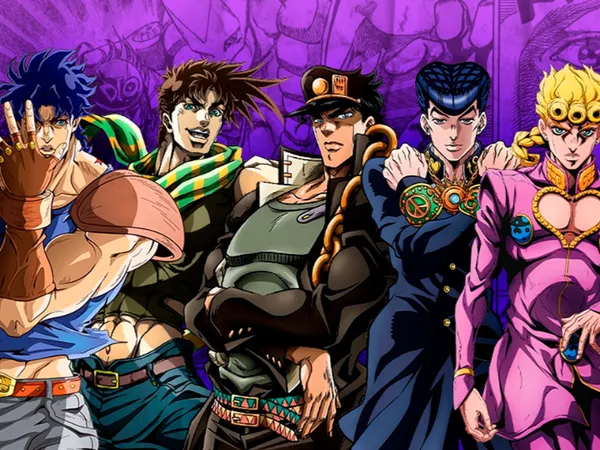
One of JoJo’s most obvious contributions to pop culture is its instantly recognizable art style. Araki’s character designs—marked by exaggerated poses, sharp facial features, and high-fashion influences—stand apart from traditional anime aesthetics. Inspired by Western art, classical sculpture, and runway fashion, JoJo characters often strike dramatic poses that feel more like editorial photography than animation.
These poses have transcended the series itself, becoming widely referenced in memes, fan art, and cosplay worldwide. Many modern anime and manga artists openly acknowledge JoJo as a visual influence, especially when experimenting with unconventional character designs or dynamic panel compositions.

Stands and a New Language of Power Systems
The introduction of Stands in JoJo’s Bizarre Adventure Part 3 fundamentally changed how supernatural abilities are portrayed in anime. Instead of relying solely on raw strength, Stand battles emphasize strategy, creativity, and psychological warfare. Each Stand has unique rules and limitations, encouraging viewers to think critically rather than wait for power-ups.
This approach has influenced countless series that followed, inspiring more complex and rule-based power systems in modern anime and manga. Today, discussions about abilities, counters, and tactics in fandom spaces often trace their roots back to JoJo’s Stand concept.
JoJo’s Influence on Music and Fashion
JoJo’s connection to music is another major cultural touchpoint. Many Stand and character names reference Western bands, albums, and songs, introducing global audiences to artists like Queen, Prince, and David Bowie. This blending of Japanese storytelling with Western music culture has helped JoJo resonate with international fans.
Fashion brands have also embraced JoJo’s bold aesthetic. High-end collaborations and JoJo-inspired collections frequently appear in pop culture news, reinforcing the series’ reputation as a bridge between anime and haute couture. The flamboyant outfits worn by JoJo characters continue to inspire streetwear, runway designs, and fan-made apparel.
Meme Culture and Internet Popularity
JoJo’s impact on internet culture cannot be overstated. Iconic phrases, dramatic reactions, and over-the-top moments have made the series a goldmine for memes. Lines like exaggerated battle cries or sudden plot twists are widely recognized even by people who have never watched the anime.
These memes have helped JoJo reach new audiences, especially younger fans discovering the series through social media platforms. In many ways, meme culture has kept JoJo constantly relevant, ensuring its presence in online conversations year after year.
A Lasting Global Legacy
Decades after its creation, JoJo’s Bizarre Adventure remains a cultural touchstone that continues to inspire creators and fans alike. Its influence can be seen across anime, fashion, music, and digital culture, proving that originality and artistic risk can lead to lasting success.

👉 If you’re a fan of JoJo’s Bizarre Adventure and want to show your love for the series beyond the screen, explore officially inspired apparel, collectibles, and fan-favorite gear at JoJo’s Bizarre Adventure Merch: officialjjba.com. Discover items that let you carry the spirit of the Joestar legacy and their bizarre journeys into your everyday life.